In the world of materials engineering, ensuring the mechanical integrity of steel products is paramount for industries ranging from construction and automotive to aerospace and manufacturing. The ASTM A370 standard serves as a cornerstone for evaluating key properties like elasticity, strength, elongation, and reduction in area. When combined with advanced universal testing machines (UTMs), this standard enables precise, reliable testing that meets rigorous quality and safety requirements. This in-depth guide explores ASTM A370 in detail, highlighting its test methods, procedures, and how UTMs, such as those from Instron, streamline the process. Whether you’re a materials scientist, quality control engineer, or procurement specialist searching for “ASTM A370 tensile testing” or “universal testing machine for metal strength,” this article provides actionable insights to optimize your testing protocols.
What is ASTM A370 and Why Does It Matter?
ASTM A370, officially titled “Standard Test Methods and Definitions for Mechanical Testing of Steel Products,” is a globally recognized specification developed by ASTM International. It outlines standardized procedures for assessing the mechanical properties of various steel products, including bars, tubes, fasteners, wire rods, and more. The primary focus is on tensile testing, which measures how steel behaves under stress, but it also incorporates bend testing, impact testing, and hardness evaluations.
Why is ASTM A370 so critical? Steel products are foundational to modern infrastructure and machinery. Faulty materials can lead to catastrophic failures, such as bridge collapses or vehicle breakdowns. By adhering to ASTM A370, manufacturers ensure compliance with industry regulations, enhance product reliability, and reduce liability risks. For instance, in the construction sector, testing rebar according to this standard verifies its ability to withstand seismic forces. In automotive applications, it confirms the ductility of steel sheets used in crash-resistant components.
Compared to related standards like ASTM E8 (which focuses on metallic materials in general), ASTM A370 is tailored specifically to steel, providing appendices with product-specific sample geometries, calculations, and procedural nuances. It emphasizes properties like yield strength (the point where permanent deformation begins), tensile strength (the maximum stress before fracture), elongation (percentage length increase post-fracture), and reduction in area (a ductility indicator). These metrics help engineers select materials that balance strength and flexibility.
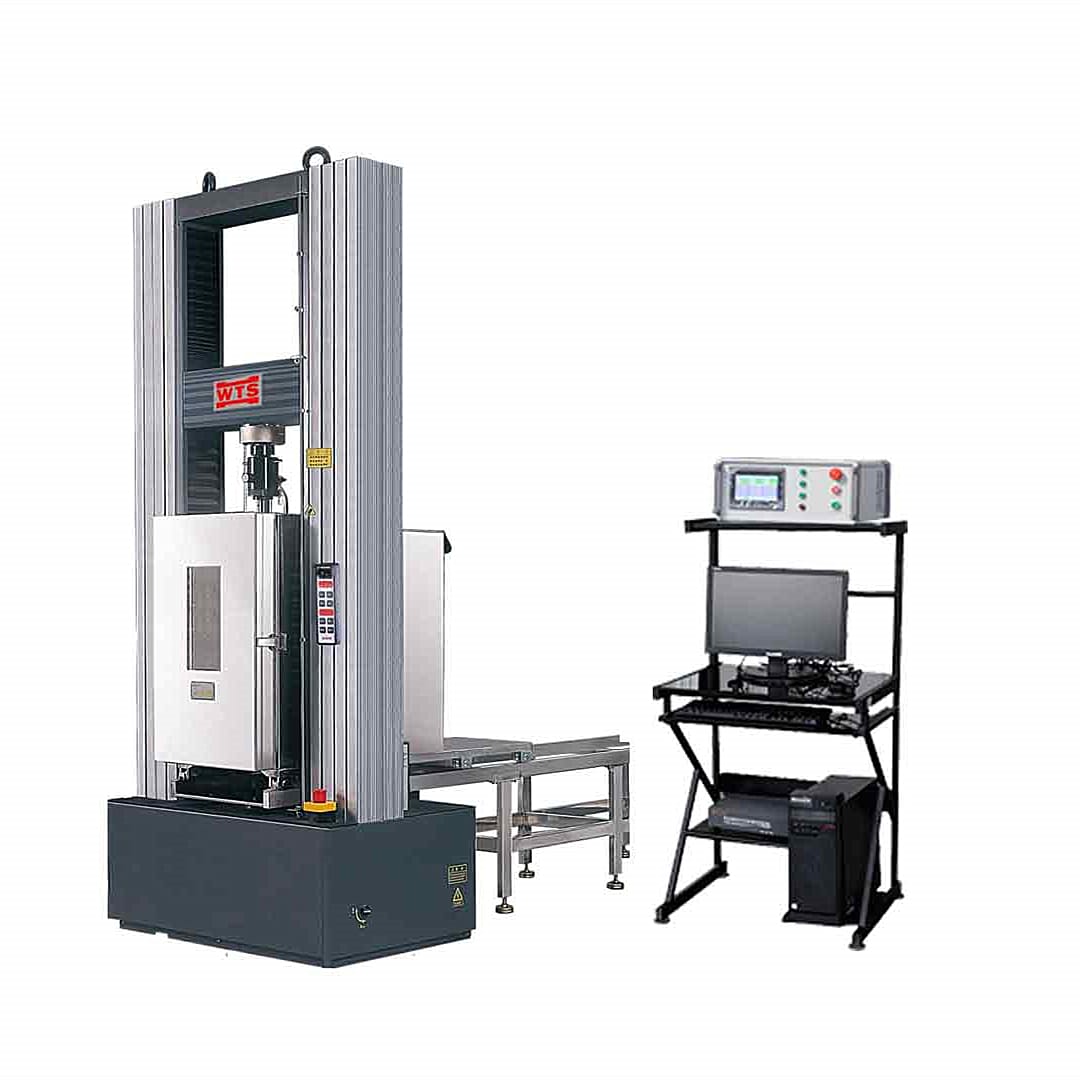
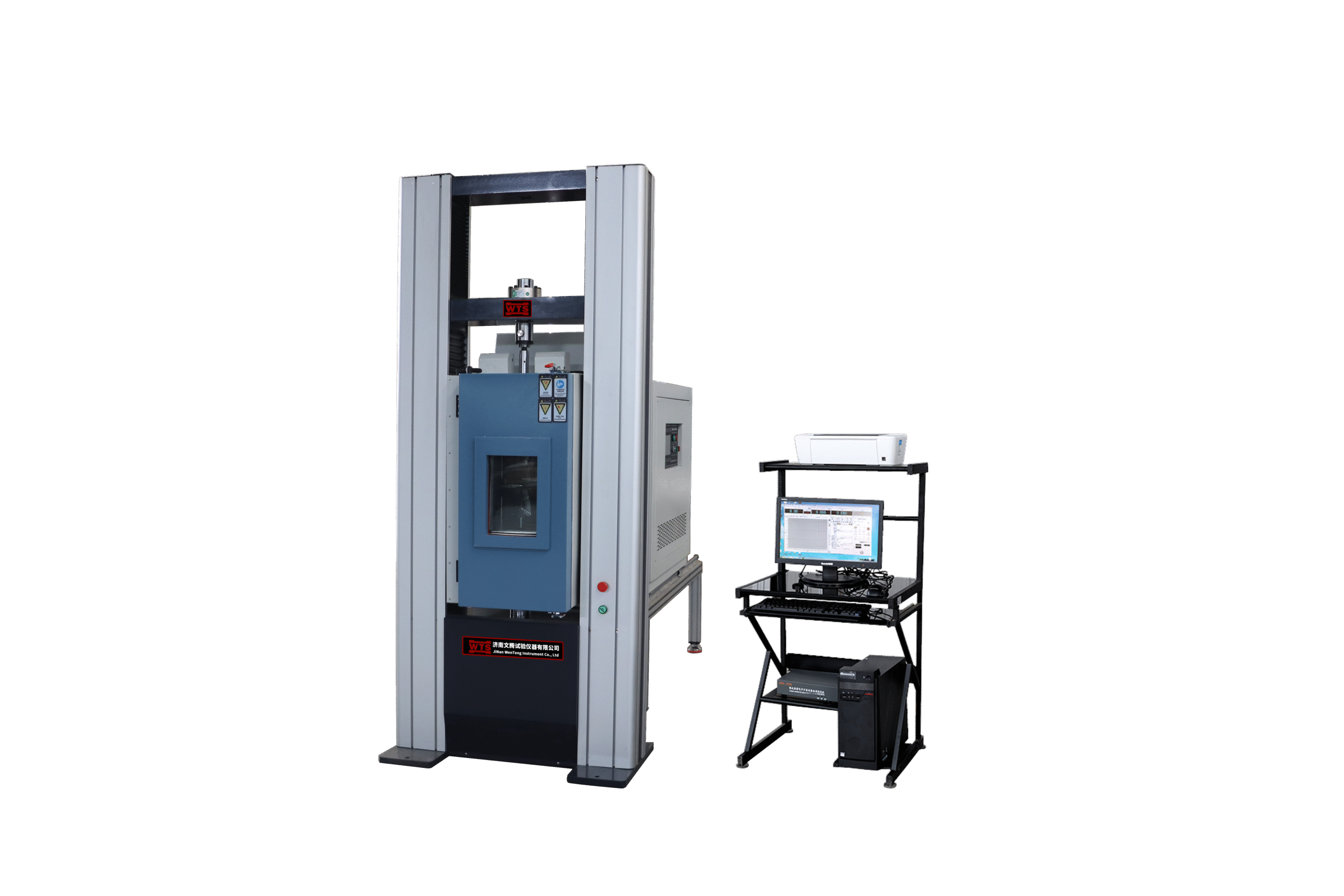
Universal testing machines play a pivotal role here. UTMs are versatile electromechanical or hydraulic systems capable of performing tension, compression, bend, and shear tests. Brands like Instron offer models optimized for high-force applications, making them ideal for ASTM A370 compliance. By integrating UTMs, labs can automate data collection, improve accuracy, and handle diverse sample sizes—from thin wires to thick-walled tubes.
Key Mechanical Properties Measured in ASTM A370
ASTM A370 targets several core mechanical properties through tensile testing, which forms the backbone of the standard. Let’s break them down:
Elastic Modulus: This quantifies a material’s stiffness or resistance to elastic (reversible) deformation. In tensile tests, it’s calculated from the initial linear portion of the stress-strain curve.
Yield Strength: Defined as the stress at which the material yields plastically (permanent deformation). ASTM A370 allows methods like offset yield (0.2% strain) or extension under load.
Tensile Strength: The ultimate stress the material can endure before breaking, crucial for load-bearing applications.
Elongation: Measured as the percentage increase in gauge length after fracture, indicating ductility. Higher elongation means the material can stretch without snapping.
Reduction in Area: Calculated from the cross-sectional area change at the fracture point, another ductility measure. It’s particularly useful for brittle materials.
These properties are tested under controlled conditions to simulate real-world stresses. The standard references ASTM E8/E8M for detailed tensile methods, including three control modes: stress rate (force increase per unit time), strain rate (deformation rate), and crosshead displacement (machine movement speed). Manufacturers often prefer crosshead control for simplicity, switching to strain rate for precise modulus calculations.
Beyond tensile testing, ASTM A370 incorporates:
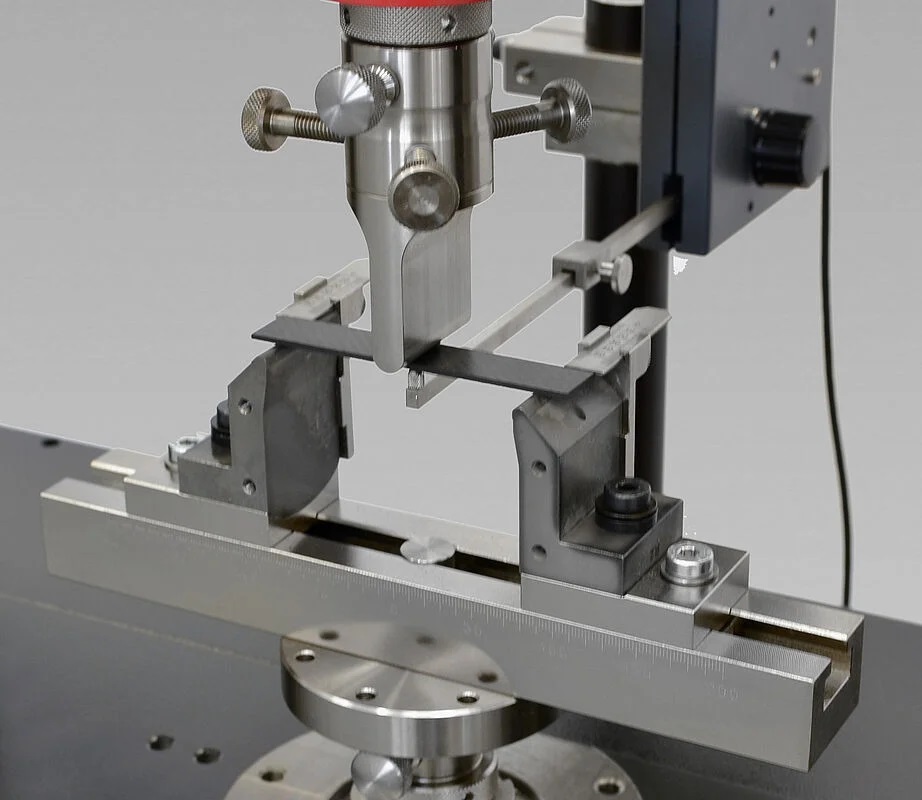
Bend Testing: To detect surface cracks or defects. Samples are bent over a mandrel, with visual inspection for failures.
Impact Testing: Using the Charpy method (per ASTM E23), it measures energy absorption during fracture, assessing toughness at various temperatures.
Hardness Testing: Via Brinell (indentation with a ball) or Rockwell (diamond or ball indenter) methods (per ASTM E10 and E18), evaluating resistance to penetration.
For product-specific adaptations, appendices detail sample preparations: e.g., 8-inch gauge lengths for hot-rolled bars or specialized grips for wire rods to prevent slippage.
How Universal Testing Machines Facilitate ASTM A370 Testing
Universal testing machines revolutionize ASTM A370 compliance by providing a single platform for multiple test types. UTMs like Instron’s Industrial Series (e.g., DX, 6800, KPX, HDX) are engineered for high-rigidity and precision, handling loads from 100 kN to 2000 kN. Their ball screw drives eliminate backlash, ensuring accurate measurements for high-strength steels.
Setting Up a UTM for Tensile Testing
To perform an ASTM A370 tensile test:
Sample Preparation: Cut specimens per appendices—e.g., full-section for bars or machined for tubes. Ensure gauge lengths match requirements (2-inch for cold-worked bars, 8-inch for hot-rolled).
Gripping: Use hydraulic wedge grips (e.g., Instron 2743-401) for secure hold without slippage. For tubes, arc jaws prevent crushing; for fasteners, bolt fixtures like W-5155-B.
Extensometry: Attach extensometers for strain measurement. Options include AUTOX750 (automatic, adjustable gauge) for bars or AVE3 non-contact for clean surfaces. Class B1/B2 accuracy is required for yield calculations.
Test Control: Program the UTM via software like Bluehill Universal, which pre-configures ASTM A370 methods. Start with stress rate for modulus, then switch to displacement.
Data Analysis: The software automatically computes properties like yield strength and elongation, generating reports with stress-strain curves.
For bend testing, UTMs use fixtures like W-6810 for guided bending on bars or tubes. Impact testing requires specialized drop-weight systems like Instron’s MPX (300-900J), integrated with Bluehill Impact software for energy absorption data.
Advantages of Using UTMs for ASTM A370
Versatility: One machine handles tensile, compression, bend, and shear—ideal for diverse steel products.
Accuracy and Repeatability: Strain gauge load cells and digital controls minimize errors.
Efficiency: Automation reduces operator intervention, speeding up high-volume testing.
Safety: High-force models include overload protection and ergonomic designs.
In practice, a 300 kN UTM like the 300 LX is perfect for fasteners, while a 2000 kN HDX suits thick tubes. Accessories enhance functionality: e.g., tire cord grips for wire or compression plates for tube flattening tests.
Comparative Table of Test Parameters for Different Steel Products
To illustrate variations in ASTM A370 testing, here’s a table comparing key parameters for common steel products:
Steel Product Type
Sample Geometry
Gauge Length
Typical Load Range (kN)
Key Properties Measured
Recommended UTM Accessory
Hot-Rolled Bars
Full-section
8 inches
100-300
Yield Strength, Elongation
Hydraulic Wedge Grips (2743-401)
Cold-Worked Bars
Machined
2 inches
50-200
Tensile Strength, Reduction
Clip-On Extensometer (W-6280-8)
Tubes
Flattened or full
2-8 inches
300-2000
Ductility, Bend Resistance
Arc Jaws and Bend Fixtures (W-6810)
Fasteners
Axial or wedge
Variable
100-600
Shear Strength, Torque
Bolt Fixtures (W-5155-B)
Wire Rods
Straight or coiled
10 inches
50-150
Elongation, Yield
Cam-Operated Wraps or Tire Cord Grips (2714-107)
This table highlights how ASTM A370 adapts to product specifics, ensuring tailored testing with UTMs.
Instron UTM Models and Their Applications in ASTM A370
Selecting the right UTM is crucial for efficient testing. Below is a table of popular Instron models suited for ASTM A370:
Model Series
Load Capacity (kN)
Best For
Key Features
Software Integration
DX Series
Up to 300
Bars, Fasteners
High-rigidity frame, strain gauge accuracy
Bluehill Universal for automated calculations
6800 Series
100-600
Tubes, Wire
Backlash-free drives, digital controls
Pre-configured ASTM methods
KPX Series
300-1000
High-Strength Steels
Hydraulic operation for heavy loads
Impact and bend modules
HDX Series
1000-2000
Thick-Walled Products
Durability for industrial use
Customizable for Charpy testing
300 LX
300
Fasteners, Small Samples
Compact design, precision extensometry
Report generation for compliance
Best Practices for Implementing ASTM A370 with UTMs
To maximize results:
Calibration: Regularly calibrate UTMs per ASTM E4 for force accuracy and ASTM E83 for extensometers.
Environmental Control: Test at standard temperatures (e.g., 23°C) to avoid variability.
Safety Protocols: Use protective enclosures for high-force tests to prevent sample ejection.
Data Integrity: Leverage software for traceable records, essential for ISO 17025 accreditation.
Common Challenges and Solutions: Slippage in wire testing? Opt for specialized grips. Oxide on hot-rolled bars interfering with extensometers? Use clip-on models instead of non-contact.
Real-world applications abound. In automotive manufacturing, ASTM A370 tensile tests on steel alloys ensure crashworthiness. In oil and gas, tube testing verifies pipeline integrity under pressure.
Progressively maintain extensive infomediaries via extensible nich. Capitalize on low hanging fruit. a ballpark value added is activity to beta test. Override the digital divide with additional click throughs from fruit.