Introduction to ASTM A416 and Its Significance in Construction
In the world of modern construction, prestressed concrete has revolutionized how we build durable, long-span structures. At the heart of this technology lies prestressed concrete strands (PC strands), high-strength steel cables designed to withstand immense tensile forces. The ASTM A416 standard, formally known as the “Standard Specification for Low-Relaxation, Seven-Wire Steel Strand for Prestressed Concrete,” sets the benchmark for ensuring these strands meet rigorous quality and performance criteria.
This standard outlines requirements for uncoated seven-wire steel strands used in pretensioned and post-tensioned concrete applications, focusing on mechanical properties like tensile strength, yield strength, and elongation. Testing under ASTM A416 ensures strands can handle real-world stresses, including those from environmental factors and heavy loads. This involves precise tensile testing to measure properties like the 1% yield strength and elongation at maximum load.
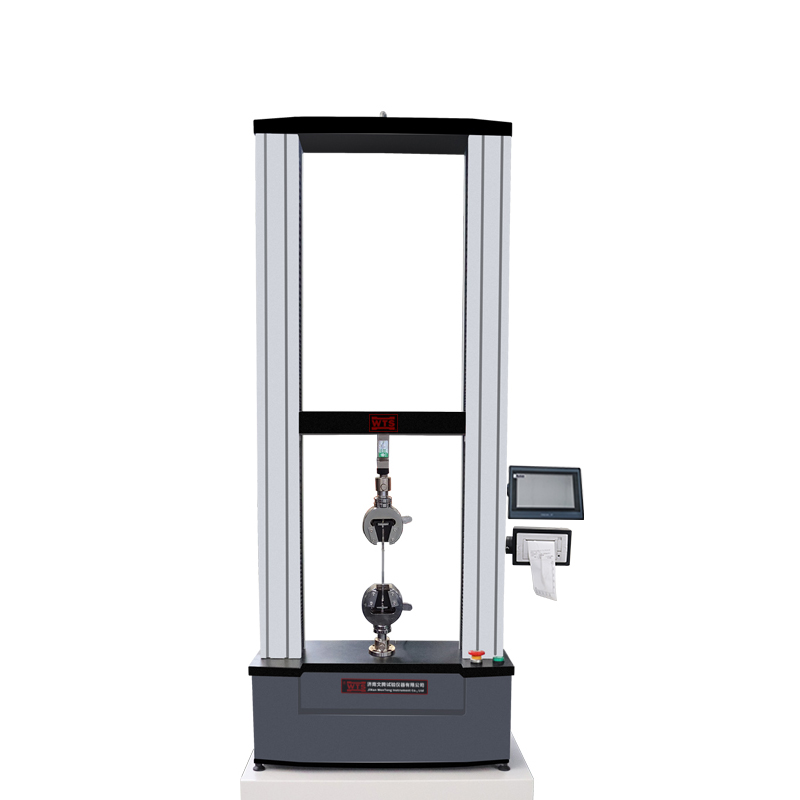
Universal testing machines (UTMs), such as those from Instron, provide the high-capacity force needed—often up to 600 kN or more—to evaluate steel strands accurately. These machines integrate advanced software for data analysis, ensuring compliance with ASTM A370 and ISO 15630-3 standards.
In this comprehensive guide, we’ll explore the intricacies of ASTM A416 testing, the pivotal role of universal testing machines, key equipment, procedures, challenges, and real-world applications. By optimizing for ASTM A416 testing with universal testing machines, you not only meet regulatory demands but also push the boundaries of sustainable construction.
Key Requirements in ASTM A416: Grades and Mechanical Properties
ASTM A416 specifies two primary grades of low-relaxation seven-wire steel strands:
These grades are based on the nominal area of the strand. The standard mandates full-size testing without reducing the cross-section, with minimum elongation of 3.5% in a 24-inch (610 mm) gauge length.
Here is a summary of typical minimum breaking strength requirements (from ASTM A416 Table 1, low-relaxation strands):
*Data compiled from ASTM A416 standard tables and manufacturer references (e.g., Sumiden, Insteel). Values are minimum requirements for low-relaxation strands.
The Fundamentals of Universal Testing Machines in Tensile Testing
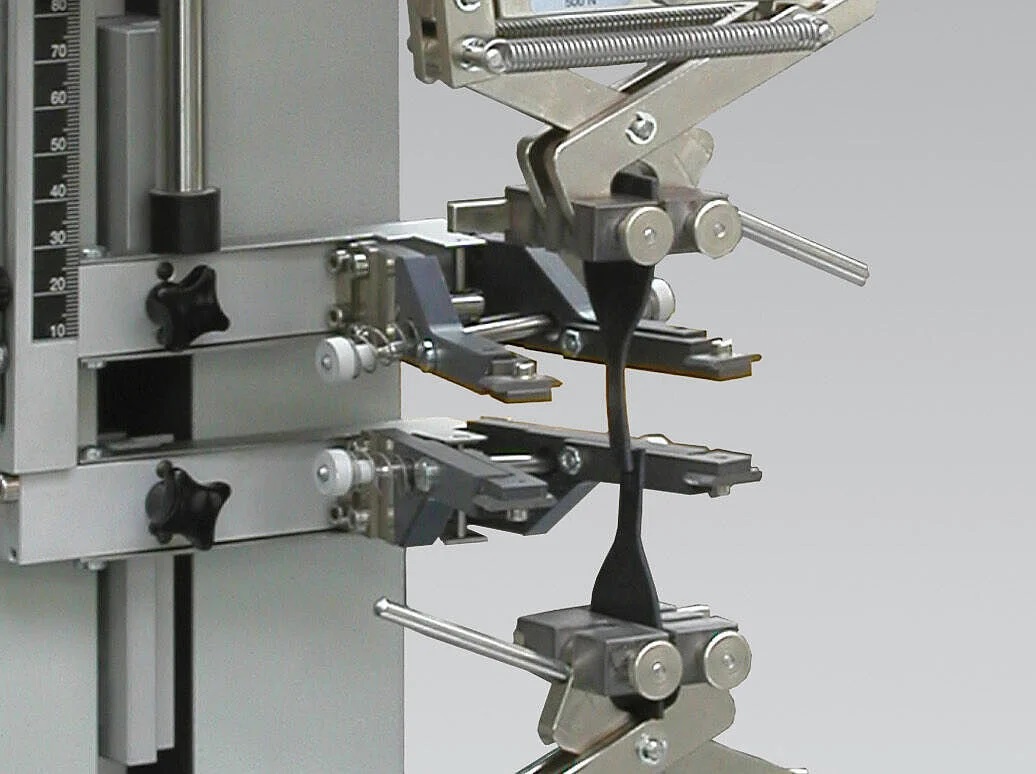
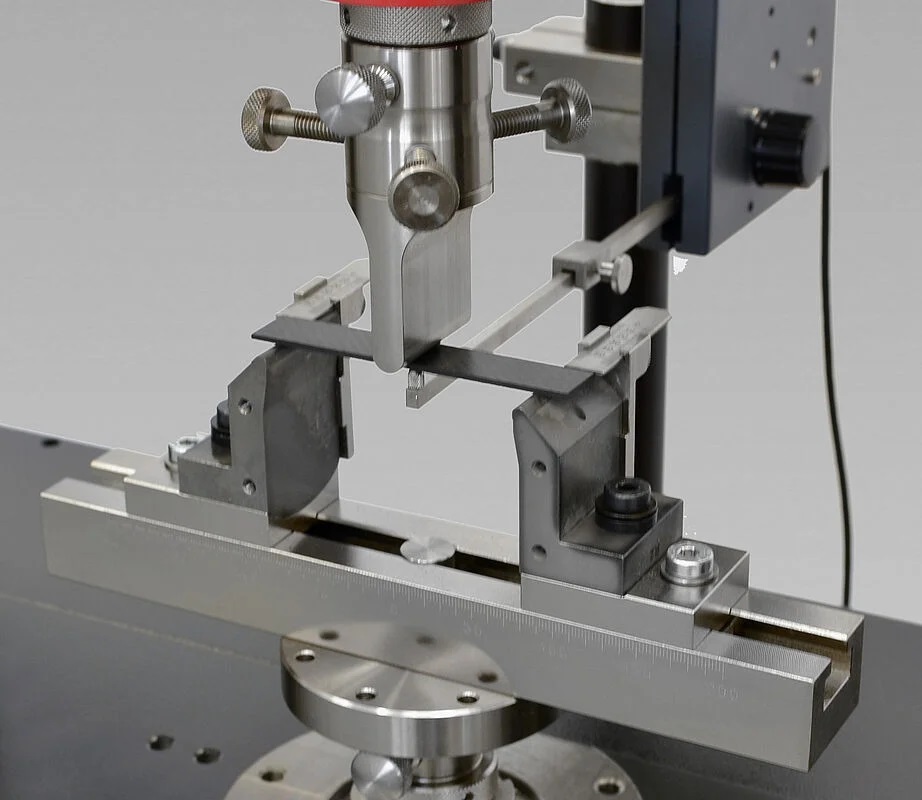
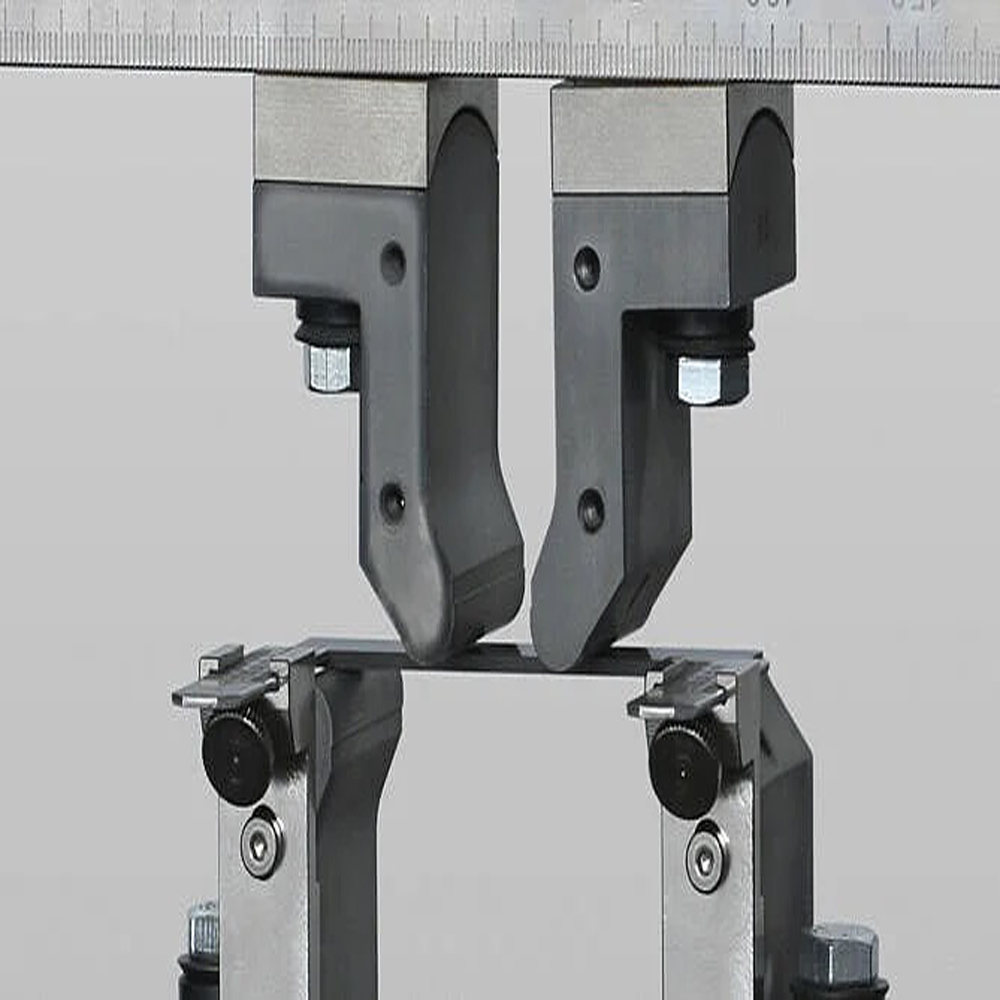
A universal testing machine applies controlled tensile, compressive, or bending forces. For ASTM A416, high-capacity models (600–3000 kN) are essential. Instron’s Industrial Series or 6800 Series handle these loads with precision load cells and long-stroke actuators.
Table 3: Recommended Accessories for Precise ASTM A416 Tensile Testing
Accessory Type
Example Model / Type
Purpose
Benefit in ASTM A416 Testing
Compliance Reference
Hydraulic Grips
Instron DuraSync Side-Acting
Uniform clamping of seven wires
Reduces grip breaks, improves elongation accuracy
ASTM A370
Extensometer
Extra-long clip-on (24 in gauge)
Strain measurement over full gauge length
Accurate 1% yield and elongation data
ASTM E83 Class B-1
Load Cell
High-capacity (600–1000 kN)
Force measurement
Overload protection, high accuracy
ASTM E4
Software
Bluehill Universal
Test automation, curve analysis, reporting
ASTM-compliant calculations, quick reports
—
Step-by-Step Procedure for ASTM A416 Tensile Testing
Specimen preparation: Full-size strand, length ≥500 mm, clean surface.
Machine setup: Calibrate UTM per ASTM E4, install matching grips and extensometer.
Loading: Apply initial seating load, zero system.
Testing: Ramp load at controlled rate until failure.
Data analysis: Record UTS, 1% yield, elongation; invalidate if break in grips.
Overcoming Challenges in ASTM A416 Testing
Common issues include grip slippage, inaccurate elongation, and high-load stability. Hydraulic grips and long extensometers address most problems effectively.
Real-World Applications of Prestressed Concrete Strands
Bridges (e.g., long-span cable-stayed structures)
High-rise buildings (post-tensioned slabs)
Parking structures and stadiums (column-free designs)
ASTM A416-tested strands enable lighter, more economical, and durable construction.
Conclusion: Elevating Construction Through Precise Testing
Mastering ASTM A416 testing with advanced universal testing machines ensures prestressed concrete strands deliver superior performance. By adhering to these standards and using high-quality equipment like Instron UTMs, engineers and manufacturers can build safer, more innovative infrastructure for the future.
Progressively maintain extensive infomediaries via extensible nich. Capitalize on low hanging fruit. a ballpark value added is activity to beta test. Override the digital divide with additional click throughs from fruit.