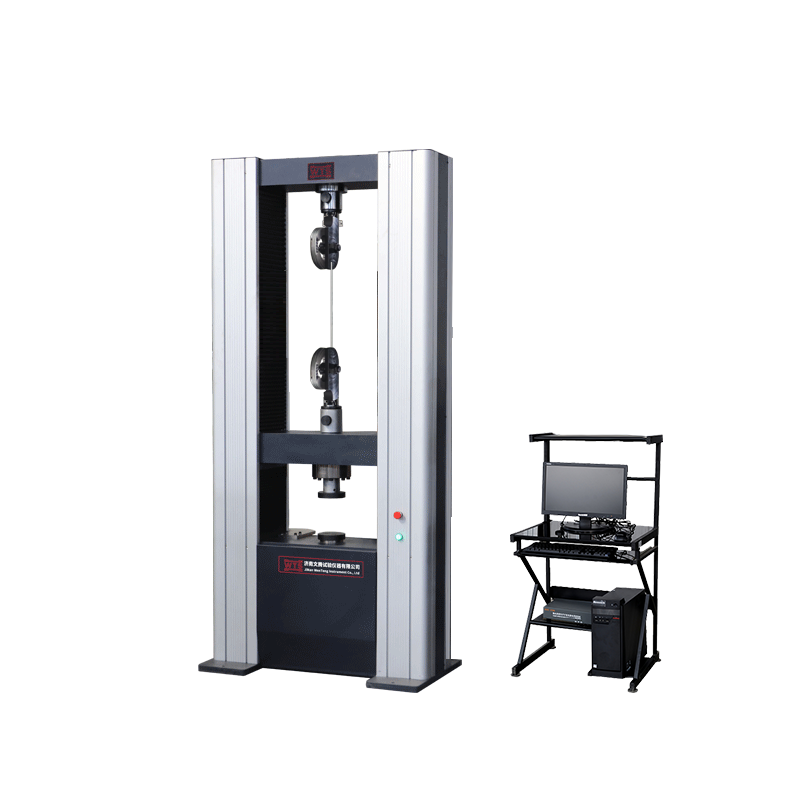
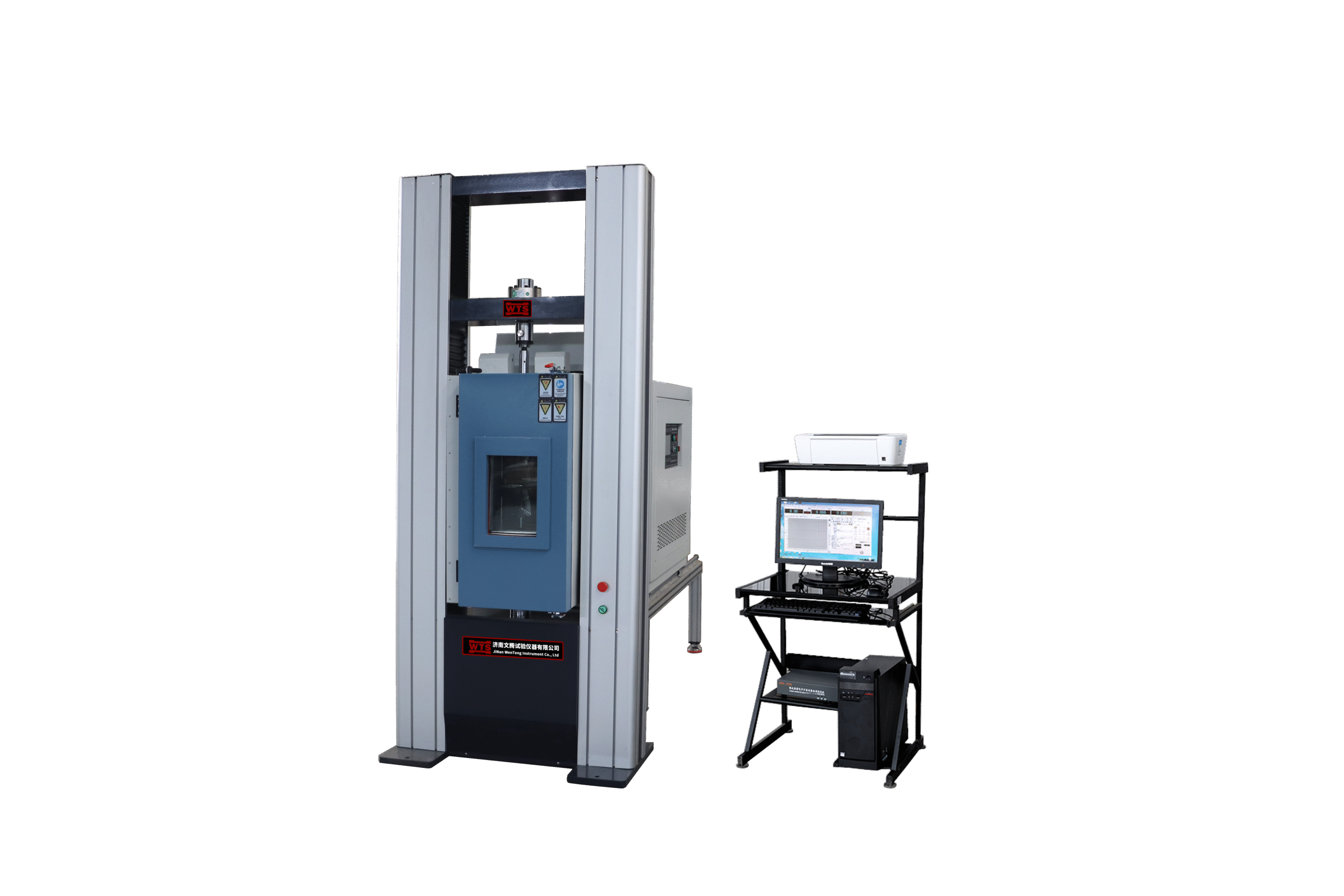
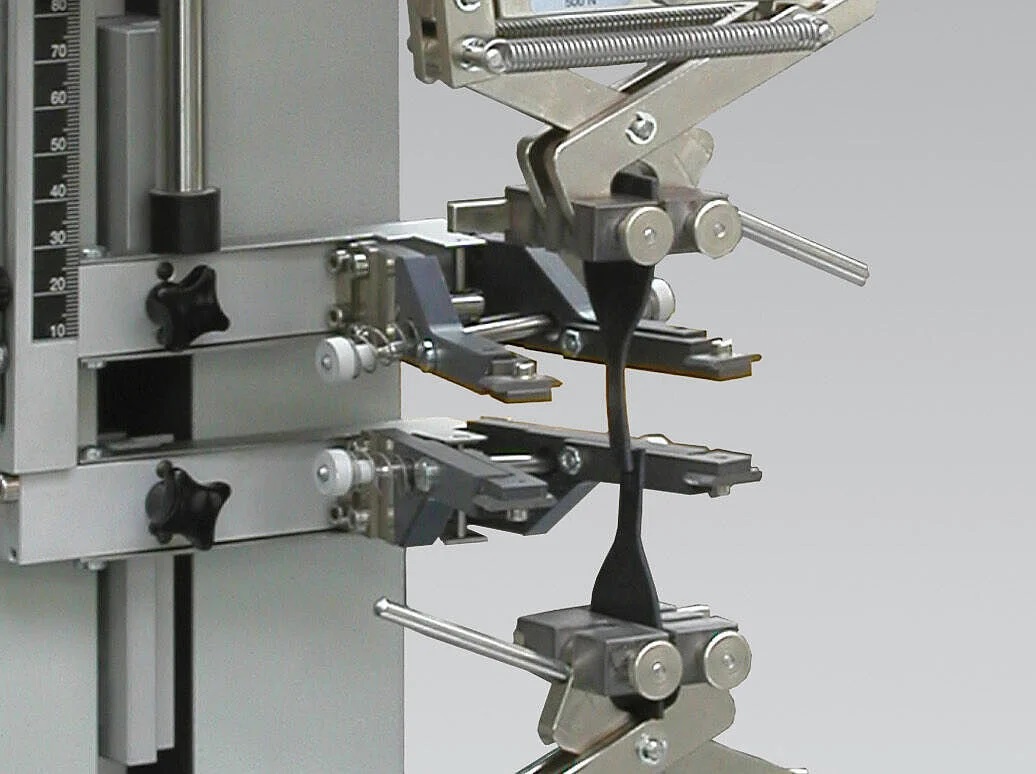
In the demanding world of materials engineering, wire torsion testing stands as a critical quality control process for ensuring the ductility, strength, and reliability of metallic wires. Standards like ASTM A938 and ISO 7800 provide the foundational guidelines for performing simple unidirectional torsion tests on wires until failure. These tests measure two primary outputs: the number of revolutions (twists) the wire can withstand before breaking and the peak torque applied during the test.
Whether you’re manufacturing mattress springs, musical instrument strings, medical guidewires, automotive cables, or high-performance aerospace components, compliance with ASTM A938 / ISO 7800 ensures your wires deliver consistent performance under torsional stress—the very force they encounter in real-world applications.
Modern universal testing machines (UTMs), when equipped with advanced torsion add-ons, offer a versatile, cost-effective solution for these tests. No longer limited to dedicated torsion-only systems, today’s UTMs from leaders like Instron transform into powerful biaxial platforms capable of simultaneous axial preload and torsional loading. This guide explores every aspect of ASTM A938 and ISO 7800 testing, with a strong emphasis on how universal testing machines enhance accuracy, efficiency, and ROI for laboratories and manufacturers.
By the end of this 2,500+ word resource, you’ll understand the standards inside-out, master the test procedure, select the right UTM configuration, overcome common challenges, and apply best practices that align with global quality requirements.
Understanding ASTM A938 and ISO 7800: Scope and Significance
ASTM A938 (Standard Test Method for Torsion Testing of Wire) is the American standard that describes torsion (or twist) testing of metallic wire using U.S. customary units as the primary reference. It focuses on evaluating the ductility of wire under torsional loading by twisting a specimen to failure in one direction.
ISO 7800 (Metallic materials — Wire — Simple torsion test), the international counterpart, specifies a method for determining the ability of metallic wire with diameters from 0.1 mm to 14 mm (depending on the revision) to undergo plastic deformation during simple torsion. The 2012 version extends applicability up to 14 mm for certain steel wires.
Both standards perform a unidirectional twist to failure on straight wire specimens. The key measurements are:
Number of complete revolutions until fracture
Peak torque value
Fracture mode (e.g., clean break, helical split, or surface cracking)
These tests are predominantly performed by raw material producers—steel mills, wire drawers, and specialty alloy manufacturers—because torsion properties directly influence downstream product safety and performance.
Torsion is not just a laboratory exercise; it simulates real service conditions. Wires in helical springs twist repeatedly, medical stents and catheters experience torsional navigation through vessels, and control cables in aircraft or vehicles endure twisting forces. Failing to meet minimum twist requirements can lead to premature failure, recalls, or catastrophic incidents.
The standards emphasize isothermal conditions. ASTM A938 explicitly requires temperature monitoring of the wire during testing. If frictional heating pushes the specimen temperature beyond a critical threshold (typically material-dependent but often around 50–100°C rise), the test speed must be reduced to maintain accuracy.
Why These Standards Matter Across Industries
Automotive and Spring Manufacturing: Bedding springs, seat springs, and valve springs must endure thousands of torsional cycles. ASTM A938 / ISO 7800 verifies that high-carbon or stainless steel wires can achieve the required number of twists without surface defects that could initiate fatigue cracks.
Medical Device Industry: Guidewires, suture wires, and catheter reinforcements require exceptional ductility. ISO 7800 compliance is often mandated for regulatory submissions (FDA, CE marking) because even minor surface damage during twisting can compromise biocompatibility or navigation performance.
Aerospace and Electronics: Aircraft control cables, sensor wires, and fine electronic conductors must resist torsion without embrittlement. The standards help qualify wires for vibration-prone environments.
Construction and Infrastructure: Prestressing strands and stay cables incorporate torsion-tested wires to guarantee long-term structural integrity.
In all cases, universal testing machines with torsion add-ons provide the flexibility to run these tests alongside tensile, compression, or bend tests on the same platform—reducing capital expenditure and training overhead.
The Role of Universal Testing Machines in ASTM A938 / ISO 7800 Testing
Traditional dedicated torsion testers (such as Instron’s legacy MT MicroTorsion series) were once the go-to solution. However, modern laboratories increasingly prefer universal testing machines equipped with torsion add-ons for their versatility and future-proofing.
Instron’s Torsion Add-On 3.0, for example, converts any 6800 or 5900 Series table-model UTM (single or dual column) into a full biaxial system. Key specifications include:
Torque capacity: ±20 N·m (±177 in-lb) — more than sufficient for wires up to 14 mm
Maximum angular speed: 80 RPM
Angular resolution: 0.001°
Simultaneous independent axial and torsional control
This add-on integrates seamlessly with Bluehill Universal software, providing pre-configured ASTM A938 / ISO 7800 methods, real-time torque-angle curves, automatic revolution counting, and temperature monitoring alerts.
Advantages of UTM + Torsion Add-On:
Perform torsion + axial preload in one setup (critical for maintaining wire straightness)
Use the same machine for tensile testing per ASTM A370 or ISO 6892
Lower total cost of ownership compared to separate dedicated systems
Easier calibration and maintenance under a single service contract
Scalability for high-volume QC or R&D
For micro-wires (<1 mm), lower-capacity configurations or specialized micro-torsion fixtures are available. For larger diameters, the high-rigidity frame of floor-model UTMs ensures minimal angular backlash.
Table 1: ISO 7800 Recommended Free Length Between Grips (Gauge Length)
Wire Diameter d (mm)
Free Length Between Grips (mm)
Notes
0.1 ≤ d < 1
200 × d
Fine wires, high sensitivity
1 ≤ d < 5
100 × d
Most common industrial range
5 ≤ d ≤ 10
50 × d
Medium wires
10 < d ≤ 14
25 × d (steel wire only)
Heavy-duty applications
Source: ISO 7800:2012. ASTM A938 typically recommends a fixed 8 in (203 mm) gauge length unless otherwise specified.
This variable gauge length ensures consistent strain distribution across different wire sizes.
Detailed Step-by-Step Procedure for ASTM A938 / ISO 7800 Testing
Specimen Preparation Select representative wire samples. Straighten gently without damaging the surface or introducing pre-twist. Measure diameter at multiple points using a micrometer (accuracy ±0.01 mm). Reject any wire with kinks or surface defects.
Gauge Length Selection Use Table 1 for ISO 7800 or 203 mm for ASTM A938. Mark the free length clearly.
Machine Setup Install appropriate grips on your UTM torsion add-on or dedicated torsion system. For softer wires: collet grips. For harder alloys: chucks with jaw hardness >55 HRC. Ensure coaxial alignment within 10° (per ASTM A938).
Mounting and Preload Clamp the specimen securely. Apply a small axial tensile preload (≤2% of the wire’s tensile strength for d ≤10 mm; none required for larger diameters) to keep the wire perfectly straight. This is easily achieved with the axial control of a universal testing machine.
Temperature Monitoring Attach a non-contact infrared thermometer or thermocouple. Set software alarms for excessive heating.
Test Execution Rotate one grip at constant angular speed (standards provide typical ranges; adjust based on material to maintain isothermal conditions). Continuously record torque, angle, and revolutions. Apply a colored longitudinal line on the specimen surface (common ISO practice) for visual twist counting if needed.
Failure and Data Capture Continue until fracture. Bluehill Universal automatically records peak torque, total revolutions to failure, and fracture location/mode. Generate stress-strain (torque-angle) curves instantly.
Post-Test Inspect fracture surfaces. If the break occurs in or near the grips, invalidate the test and repeat. Clean grips and recalibrate if necessary.
Typical test duration: 30 seconds to 5 minutes per specimen, depending on speed and required twists (often 20–100+ revolutions for ductile wires).
Table 2: Instron Universal Testing Machine Solutions for ASTM A938 / ISO 7800
Progressively maintain extensive infomediaries via extensible nich. Capitalize on low hanging fruit. a ballpark value added is activity to beta test. Override the digital divide with additional click throughs from fruit.